
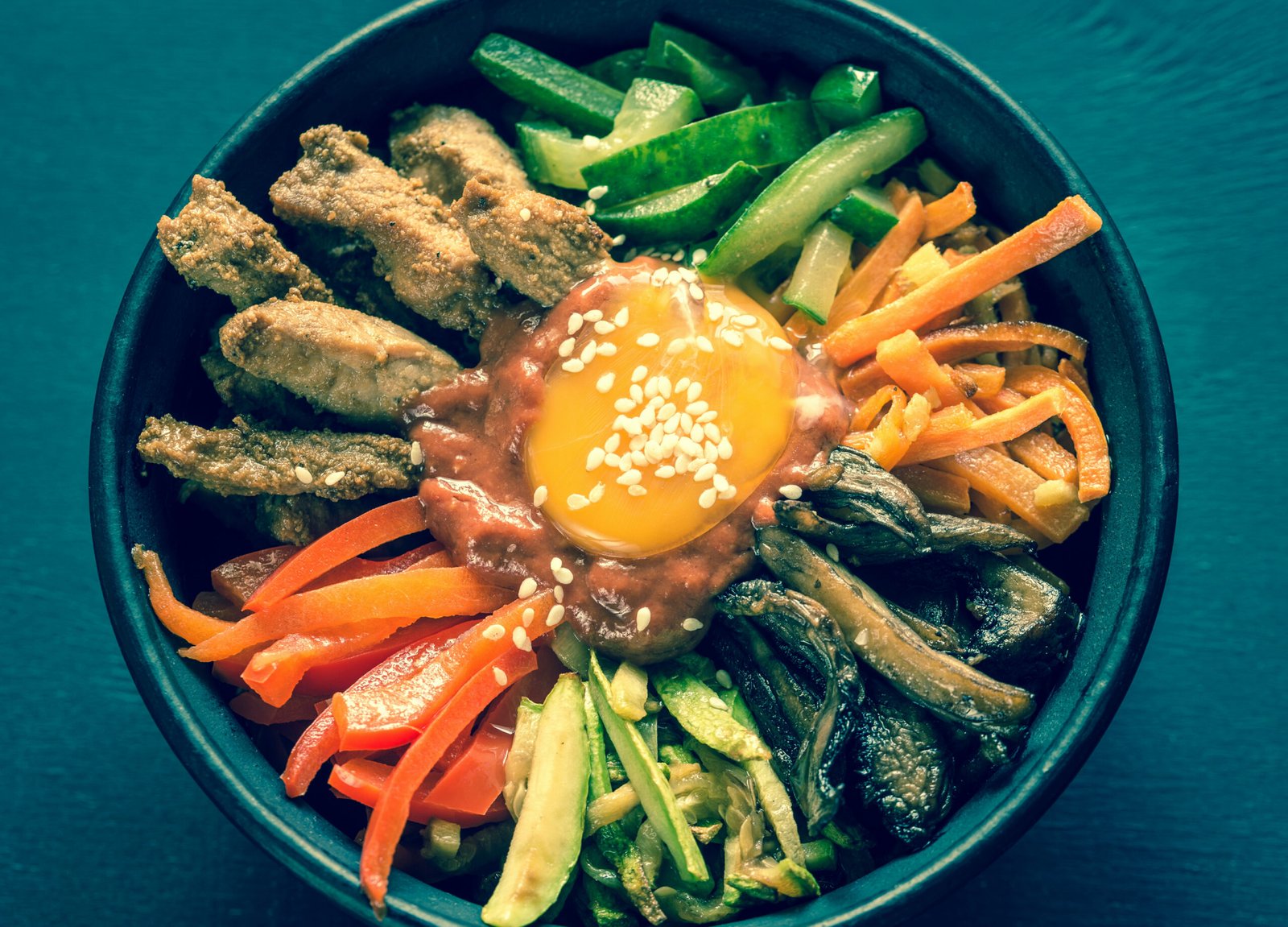
Korean cuisine is characterised by bright flavours, vivid colours and strong culinary traditions. It includes fresh vegetables, rice, meat products and fermented ingredients to produce healthy food. Korean culinary culture is associated with balance, beautiful plating and communal dining.
History and Origin
Korean cuisine has a long history shaped by agriculture, seasonal ingredients, and traditional cooking methods. Rice, vegetables, fermented foods, and shared meals have always been important parts of Korean food culture.
As a result, Korean dishes are known for their balance of flavor, nutrition, and presentation.
Key Ingredients Used
Rice is an integral ingredient of most Korean dishes and is served with banchan – numerous small side dishes of vegetables, pickles, tofu and fish.
Kimchi is also one of the major elements of Korean food culture. It is a vegetable dish containing cabbage, radish, garlic, red pepper and other seasonings which are traditionally fermented.
Fermented ingredients, garlic, vegetables, noodles, and spicy sauces are widely used in Korean cooking.
Popular Dishes
The most well-known Korean dish is bibimbap. This meal contains hot rice covered with vegetables, meat, fried egg and spicy gochujang sauce. All these ingredients have to be mixed by consumers while eating.
In addition, Korean meals may involve the famous barbecue. Here, thin slices of beef and pork marinated beforehand are roasted at customers’ tables together with rice and vegetables.
Noodle meals, such as japchae (sweet potato and vegetable stew), can be considered another Korean culinary specialty. It is often served at festive occasions.
Cooking Style and Flavors
Most Korean foods are combined according to their spiciness, savoury and slightly sweet taste. Moreover, the presence of fermented ingredients gives many dishes special taste.
Korean cuisine also focuses on balance, colorful presentation, and the use of fresh ingredients in every meal.
Why People Love This Cuisine
People enjoy Korean cuisine because of its unique flavors, healthy ingredients, and rich traditions. The combination of spicy, savoury, and fermented tastes creates meals that are both delicious and satisfying.
Where You Can Try It
Korean dishes can be enjoyed in Korean restaurants around the world. Many traditional meals are also prepared at home and shared with family and friends.
Conclusion
In conclusion, the variety of tasty foods, health benefits and rich tradition of Korean cuisine are the reasons why it has become so popular in the modern world.