
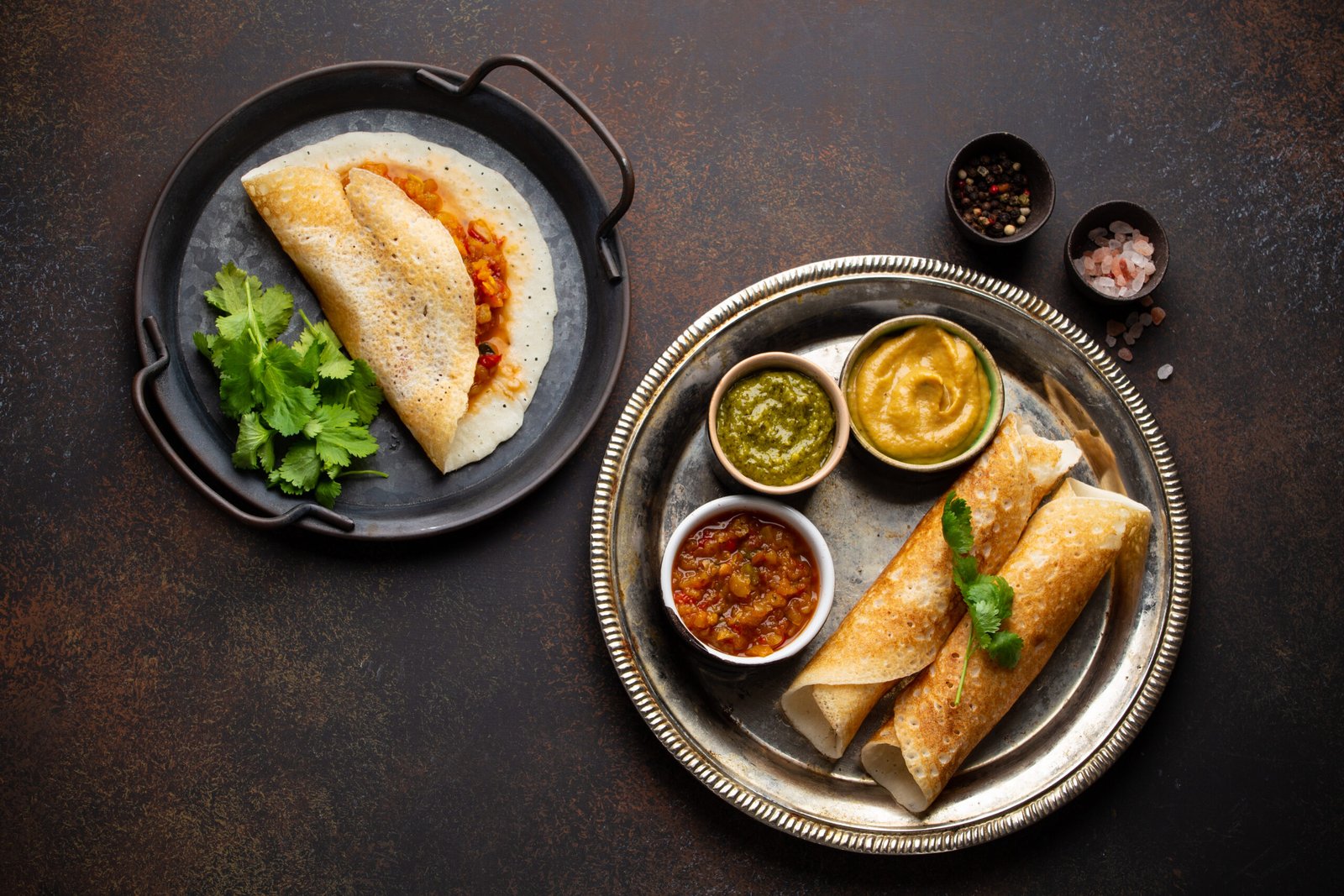
Masala Dosa is one of the most iconic dishes from South Indian cuisine and has become popular across India and many parts of the world. This delicious dish consists of a thin, crispy crepe made from fermented rice and lentil batter, filled with a savory potato mixture. The combination of the crunchy dosa and the spicy potato filling creates a flavourful and satisfying meal that is loved by people of all ages.
History of Masala Dosa
The history of Masala Dosa dates back several centuries in the southern regions of India.
Over time, the dish evolved from a simple fermented crepe into a stuffed version that includes the famous potato masala filling. Today, Masala Dosa is commonly served in restaurants, street food stalls, and homes throughout India. It is often enjoyed as a breakfast dish but is also popular for lunch or dinner.
Texture and Taste
One of the reasons Masala Dosa is so widely loved is its unique texture. When prepared correctly, the dosa becomes thin and crispy on the outside while remaining soft inside. The golden-brown crepe pairs perfectly with the spicy potato filling made from boiled potatoes, onions, mustard seeds, and aromatic spices.
Traditional Side Dishes
Masala Dosa is traditionally served with coconut chutney and sambar, which add additional flavours and balance the richness of the dish. The creamy coconut chutney complements the crispy dosa, while the tangy and slightly spicy sambar enhances the overall taste.
Modern Variations
Today, many variations of Masala Dosa exist, including cheese dosa, paneer dosa, and butter dosa. Despite these modern adaptations, the traditional Masala Dosa remains the most popular version and continues to be a favorite dish among food lovers.
Cooking Tips
Batter Fermentation
- To make perfect Masala Dosa, proper fermentation of the batter is essential. The batter should be left to ferment for at least eight to ten hours so that it develops the right flavor and texture. A well-fermented batter will produce dosas that are light, crispy, and slightly tangy.
Cooking the Dosa
- Using a well-heated cast iron pan helps achieve the traditional crispy texture. The batter should be spread thinly in a circular motion so the dosa cooks evenly and becomes golden brown. Adding a small amount of oil or ghee around the edges while cooking helps enhance the flavour and crispiness.
Preparing the Potato Filling
- The potato filling should be cooked with mustard seeds, curry leaves, and mild spices to create the authentic South Indian taste. Serving the dosa immediately after cooking ensures it stays crispy and delicious. Pairing it with fresh coconut chutney and warm sambar will give the best dining experience.