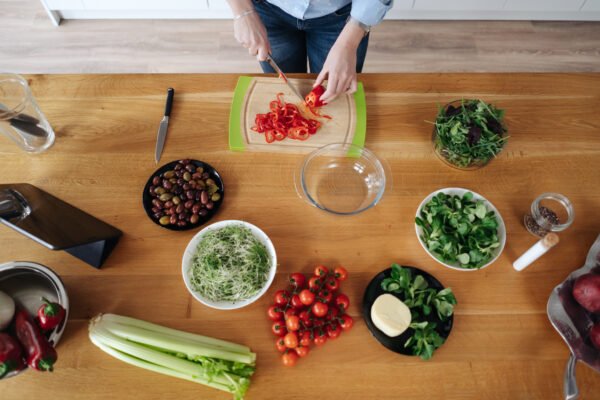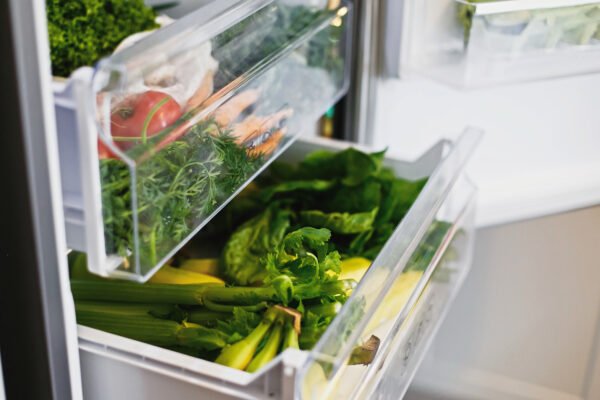


The waste of food products is one of the problems that most people experience on an everyday basis. Vegetables may get bad in the fridge, leftovers can stay unnoticed in the freezer, and there may not be enough time to use purchased ingredients. However, the reduction of food waste can save much space and money.
It is possible to minimize the waste of ingredients by following some simple steps and being careful.
Reasons for Minimizing Food Waste
As mentioned above, food waste implies losing some resources and products. Most vegetables, fruits, and grains can be used for various purposes if there are proper storage conditions.
Knowing how to use food products effectively can result in better cooking and less waste.
Tips for Efficient Cooking
- A good idea would be to plan meals before purchasing necessary products. Buying only the required amount of ingredients will help avoid food loss.
- Storing the cooked meals in a proper way is another important aspect. If the food is kept in sterilized containers in a fridge, it is possible to cook additional food portions.
- Creative using of leftovers is another option. For example, vegetable scraps may be used for soups or stir fry.
- Taking note of the available kitchen items allows saving some ingredients and prevents their spoiling.
Mistakes to Avoid While Cooking
An example of a common mistake made by many people is the purchase of too many vegetables. It often leads to spoiling and wasting them.
Not noticing some leftovers is another reason for food waste.
Kitchen Tips
Labeling containers and food portions allows remembering what has been cooked when.
Conclusion
Therefore, minimizing food waste is an easy process that may bring benefits both at home and in general.