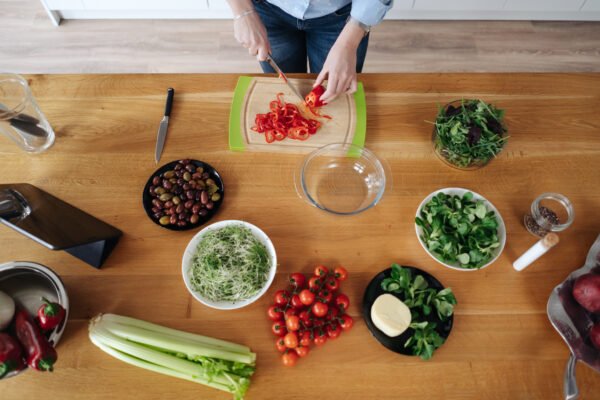


When preparing food, fresh vegetables should definitely become an integral component of the dish. The use of fresh ingredients will positively affect the flavor, texture, and nutritional value of your dish. Unfortunately, not everyone knows how to select fresh vegetables in stores and markets.
Here are some ways of how you can distinguish vegetables’ freshness.
The Importance of Using Fresh Vegetables for Cooking
The use of fresh ingredients will help you achieve a positive result while cooking. Fresh vegetables are more likely to have a bright taste, color, and texture.
Vegetables that have gone bad or are just old will lose the flavor and nutrition. In addition, vegetables of low quality will negatively affect the final result.
How To Choose Fresh Vegetables While Shopping
A very useful way to identify fresh vegetables is to pay attention to their color. Fresh vegetables should be bright and have their natural color. Pale and dull vegetables do not indicate their freshness.
It is also recommended to touch the vegetable. Vegetables, such as carrots, cucumbers, and beans, should be solid. Otherwise, it means that you purchased low-quality ingredients.
Pay attention to the leaves of leafy vegetables. For example, fresh spinach or coriander should be bright and solid and not wilted.
Sometimes a special smell can be the evidence of freshness. It is known that fresh vegetables will have a pleasant and natural smell.
Popular Mistakes That You Should Avoid
An erroneous approach when selecting vegetables is their size. Not necessarily the larger vegetables are more fresh.
It is also possible to purchase large amounts of vegetables without carefully studying their quality.
Additional Kitchen Tips
In order to buy fresh vegetables, it is best to choose those that appear during certain periods.
Conclusion
Selection of fresh vegetables is one of the most critical components of cooking dishes.