

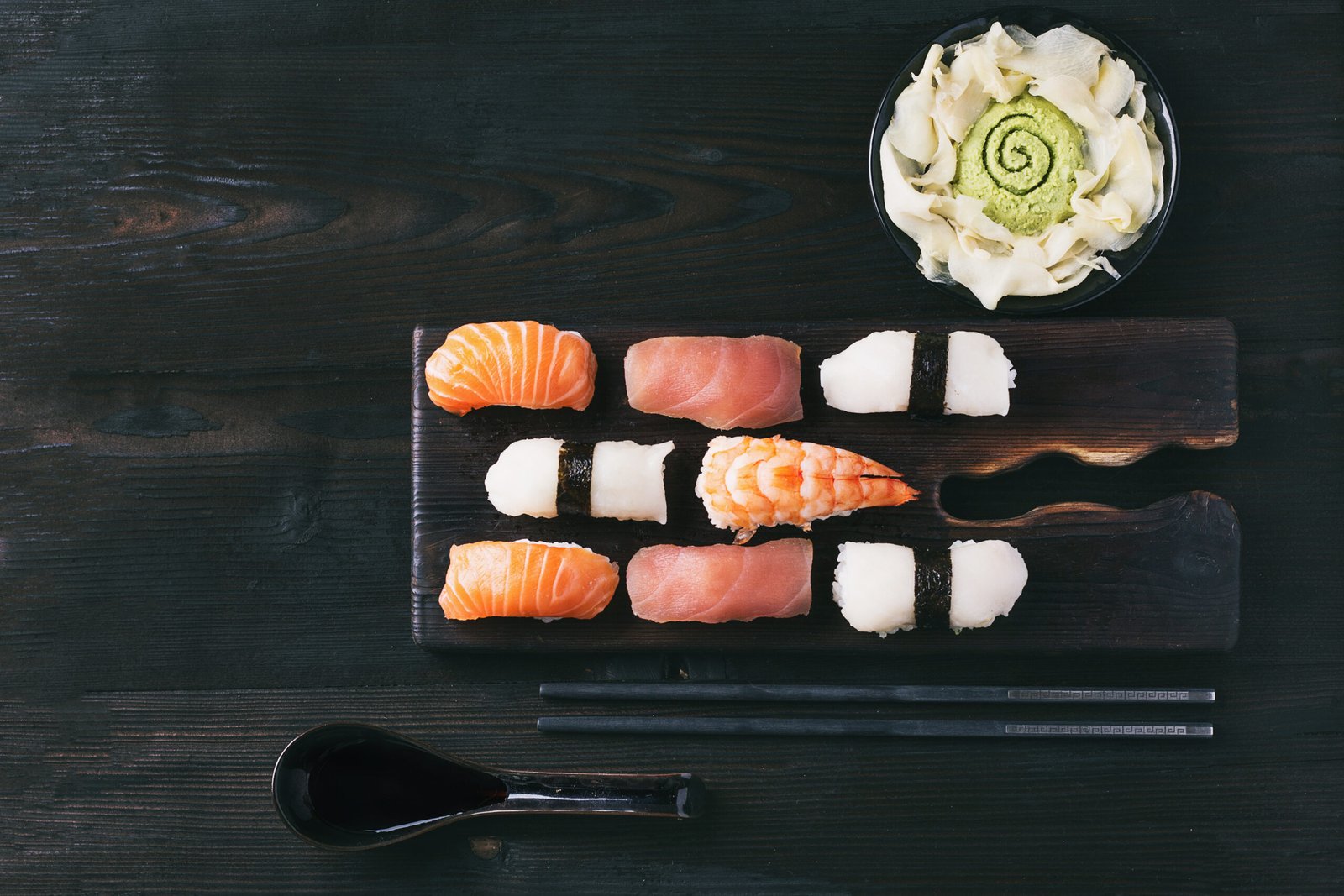
The uniqueness of Japanese cuisine consists in the fact that it relies on the natural taste of its ingredients. In addition, it is notable for minimal spice consumption. Thus, this cuisine is characterized by elegance and simplicity.
History and Origin
Japanese cuisine has developed through centuries while preserving traditional cooking methods and cultural values. The cuisine focuses on balance, freshness, and respect for natural ingredients.
As a result, Japanese food culture is known worldwide for its simplicity, elegance, and attention to detail.
Key Ingredients Used
In Japanese cuisine, it is typical to eat rice with fish and other side dishes along with miso soup. This traditional dish is prepared with soybean paste.
Seasonal products play an essential role in Japanese food culture. Therefore, the choice of vegetables, fish, and herbs depends on the time of the year.
Seaweed, seafood, rice, soy products, noodles, and fresh vegetables are commonly used ingredients in Japanese cuisine.
Popular Dishes
Sushi is one of the most recognizable dishes of Japanese cuisine. It includes vinegar-seasoned rice with such ingredients as seafood, vegetables, and seaweed. Various types of sushi include nigiri, maki rolls, and sashimi. These dishes require special skills and attentiveness from the cook since they should be prepared meticulously to maintain a delicate balance of flavors and looks.
Ramen is yet another iconic Japanese dish that involves boiling broth together with boiled noodles and various toppings. These can include pieces of pork, boiled eggs, scallions, and seaweed. Depending on the region in Japan, the recipe of broth may be slightly different.
There is also an interesting type of cooking technique called tempura, which means frying of fish or vegetables in light batter until they become crispy. This dish is served together with the dipping sauce and grated radish.
Cooking Style and Flavors
Japanese cuisine focuses on preserving the natural taste of ingredients with minimal use of spices. Steaming, boiling, grilling, and light frying are common cooking methods.
Aesthetic aspects are also important in preparing Japanese food as well as in serving food on a plate.
Why People Love This Cuisine
People enjoy Japanese cuisine because of its fresh ingredients, delicate flavors, healthy meals, and beautiful presentation. The cuisine offers a unique balance between simplicity and sophistication.
Where You Can Try It
Japanese cuisine can be experienced in sushi bars, ramen restaurants, and Japanese cafés around the world. Many traditional dishes are also prepared at home in Japan.
Conclusion
Consequently, all aspects mentioned above make Japanese cuisine very peculiar and interesting.