

Introduction
Japanese cuisine is widely known for its simplicity, balance, and focus on fresh ingredients. While seafood is common in many dishes, Japanese vegetarian cuisine also has a long and rich tradition. Many plant based recipes have been part of Japanese culture for centuries, especially in Buddhist temple cooking.
Vegetarian Japanese dishes are often light, healthy, and beautifully presented. The cuisine focuses on natural flavors and seasonal ingredients, making every dish feel fresh and balanced.
History and Origin
Vegetarian cooking in Japan was strongly influenced by Buddhist traditions. Buddhist monks followed a plant based diet and developed a style of cooking known as temple cuisine. This approach focused on vegetables, tofu, rice, and simple seasonings.
Over time, these cooking methods became an important part of Japanese food culture and are still appreciated today.
Key Ingredients Used
Japanese vegetarian cuisine uses ingredients such as rice, tofu, soy sauce, miso paste, seaweed, mushrooms, and seasonal vegetables. These ingredients create light and flavorful meals.
Seasonings like soy sauce, sesame oil, and ginger are often used to enhance the taste without overpowering the natural flavors of the food.
Popular Dishes
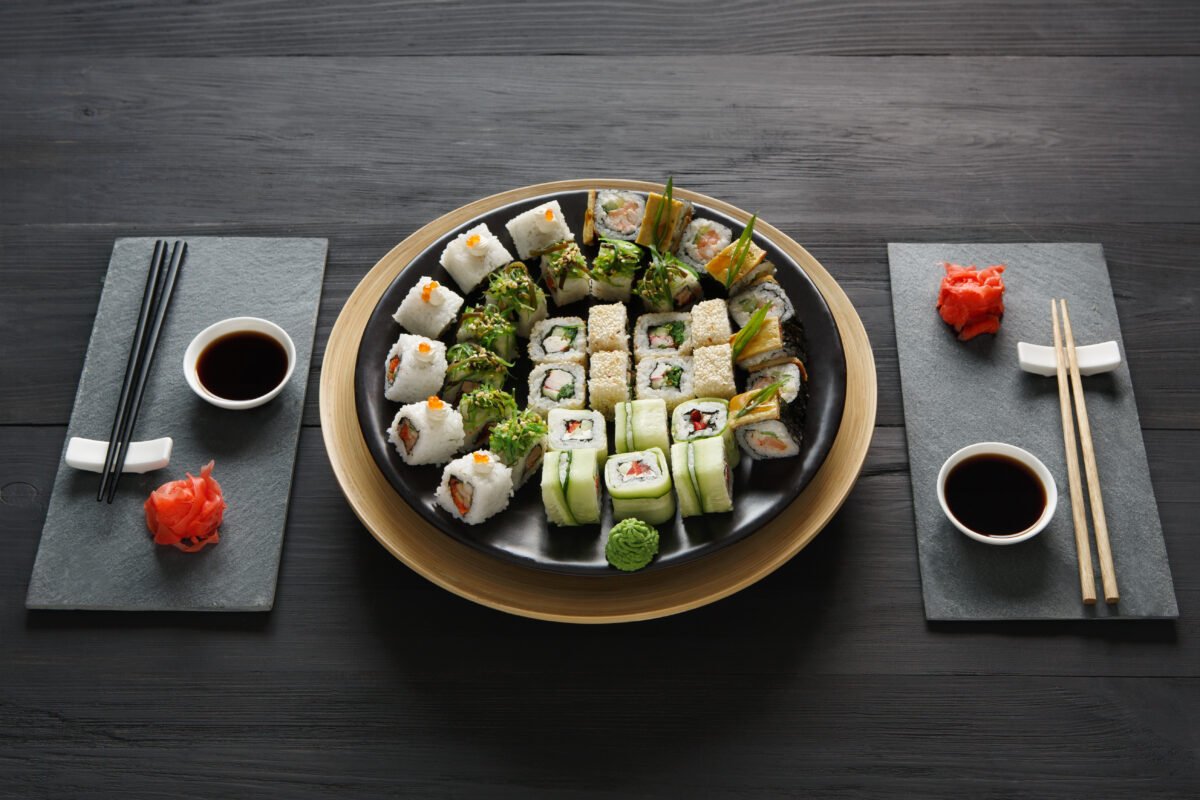
Many well known vegetarian dishes come from Japanese cuisine. These include vegetable sushi rolls, miso soup with tofu, vegetable tempura, tofu teriyaki, and vegetable ramen.
These dishes are loved for their delicate flavors and appealing presentation.
Cooking Style and Flavors
Japanese cooking focuses on balance and simplicity. Instead of heavy spices, the cuisine highlights the natural taste of ingredients. Steaming, grilling, and light frying are common cooking methods.
Why People Love This Cuisine
People appreciate Japanese vegetarian cuisine because it feels light, healthy, and refreshing. The dishes are often beautifully arranged and enjoyable to eat.
Where You Can Try It
Japanese vegetarian dishes can be found in many Japanese restaurants around the world as well as in traditional Japanese homes.
Conclusion
Japanese vegetarian cuisine shows how simple ingredients and careful preparation can create delicious and balanced meals. It continues to inspire food lovers around the world.