

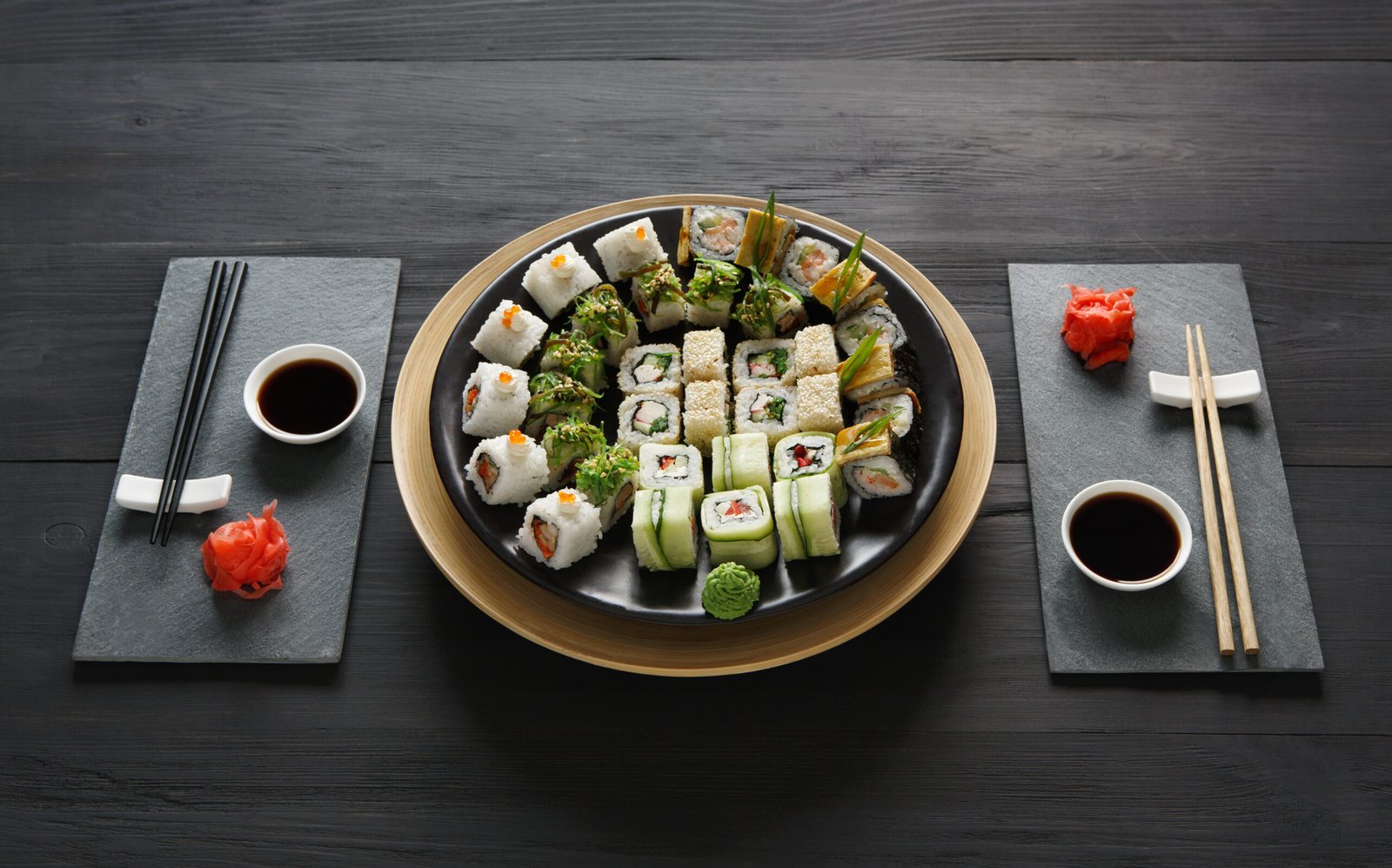
It is clear that the food of Japan is notable for its minimalism, balance, and fresh ingredients. Japanese foods are healthy, light, and presented beautifully. However, Seafood dishes are popular in Japan. There is a special type of Japanese vegetarian cuisine with a long history.
History and Origin
It is known that in the past, Japanese cooking had a lot of influence of Buddhism traditions, since monks cooked only vegetarian dishes and created their own cooking technique called “temple cuisine”. Those meals included tofu, rice, some vegetables, and appropriate seasonings.
Later on, this method became one of the main features of Japanese cuisine and is highly respected by local citizens.
Key Ingredients Used
Some key ingredients used in Japanese cooking include rice, tofu, miso paste, seaweed, mushrooms, vegetables, and soy sauce.
In addition, such seasonings as sesame oil, soy sauce, and ginger can be mentioned here.
Popular Dishes
There are numerous dishes that can be attributed to Japanese vegetarian cuisine. Examples include various vegetable sushi, miso soup with tofu, tempura, tofu teriyaki, and vegetable ramen among others.
These foods taste really well.
Cooking Style and Flavor
It should be noted that Japanese food is notable for its minimalism and balance. The key idea is to present a taste of the ingredient itself and not mask it with spices. Some common methods of preparation include steaming, grilling, and frying.
Why People Love This Cuisine
People tend to like Japanese vegetarian cuisine owing to its naturalness, healthfulness, and delicious taste. In addition, those foods are beautifully arranged.
Where You Can Try It
This cuisine can be tasted in many Japanese restaurants as well as in houses of the Japanese people.
Conclusion
So, there are plenty of healthy vegetarian dishes in Japan.